di Nicole Norrevik |

Recentemente Firenze ha ospitato due splendide mostre di artisti contemporanei che hanno inciso il loro nome nella storia dell’arte. Un vasto numero di opere di Georg Baselitz è esposta nelle sale del Museo Novecento, offrendo un’introduzione introspettiva all’artista e alle sue opere disorientanti. Nello stesso periodo tra le spesse mura di Palazzo Strozzi si trova la suggestiva mostra delle opere spirituali di Mark Rothko, capace di trasportare lo spettatore in una dimensione trascendentale. Entrando e uscendo da queste mostre, la netta differenza di stili artistici mi ha disorientato come la luce accecante del sole dopo aver trascorso troppo tempo al buio. Le strade acciottolate, che emanano lo spirito del Rinascimento, possono sembrare un benvenuto insolito dopo essersi immersi nel mondo di queste opere contemporanee. Tuttavia, durante le mie visite a Baselitz e Rothko, ho scoperto che questi artisti hanno tratto molta ispirazione proprio da queste strade. Baselitz rifiutava l’idea di valutare le sue opere o le sue scelte come “buone” o “brutte”, un’affermazione inimmaginabile per la struttura accademica delle scuole di pittura rinascimentali, eppure trovò una magica ispirazione durante il suo soggiorno a Firenze.
I dipinti di Mark Rothko sono addirittura esposti accanto alle opere di Beato Angelico proprio per la preziosa ispirazione che ne trasse. Ma come è possibile? Come possono opere d’arte che rappresentano l’apice della bellezza tradizionale diventare fonte d’ispirazione per opere che apparentemente rifiutano proprio quel modello? Come possono il tradizionale e l’anticonformista danzare insieme quando i passi delle loro melodie sono completamente diversi?
Con lo svilupparsi della storia dell’arte in studio organizzato, la cronologia artistica è stata categorizzata in stili che caratterizzano la società dell’epoca. L’arte antica ha segnato le origini dell’espressione creativa con le sue esplorazioni primitive di valore e forma, che riflettono la semplicità del suo tempo. Il Medioevo ha introdotto il fervore religioso che brillava nella foschia delle foglie d’oro alla luce delle vetrate delle chiese. Queste figure rigide si sono evolute nella ricerca dell’armonia durante il Rinascimento. Poi, quando la società ha iniziato a disgregare i propri ideali, fiorì l’autenticità dell’era impressionista.
Nell’era della fotografia e della digitalizzazione, la pittura è stata accantonata come principale mezzo per catturare la realtà. Avendo trovato libertà nel rifiuto, l’arte contemporanea ha ampliato i suoi confini al di là di ciò che è semplicemente visto, anzichè di ciò che è vissuto in modi senza precedenti e non letterali. Percorrendo questa cronologia, ogni periodo sembra un rifiuto del precedente, una rinascita e una fonte di ispirazione da qualche altra parte. Questi processi sono apparentemente incompatibili, reazioni naturali agli sviluppi della società che non possono essere annullate, ma continuano a tessere nuova materia. Per questo motivo, secondo la nostra categorizzazione dell’arte e della sua storia, può essere piuttosto scioccante vedere mostre d’arte contemporanea negli antichi edifici di Firenze, costruiti con pietre che racchiudono gli ideali del Rinascimento.
Mi sono ritrovata a riflettere su cosa collegasse esattamente questi due ambiti. Qual era la vibrazione che risuonava tra i due e li univa? Forse è la stessa frequenza che vibra dentro ognuno di noi, la corrente elettrica che guida la nostra esistenza. Il Rinascimento può essere considerato l’inizio di una concentrazione sociale sull’umanità, allorché per la prima volta l’esperienza umana diviene la divinità che l’uomo cercava. Quest’idea risuona nella nostra società attuale, che ha perso di vista l’umanità, il significato del vivere piuttosto che del lavorare e il significato del sentire piuttosto che del fare. L’esperienza umana è un ciclo che si ripete all’infinito e si ripiega su se stesso, anelando e ritornando perennemente al calore della propria familiarità. Ciò che oggi può sembrare un’emozione nuova si è ripetuto all’infinito nelle vite passate, presentandosi con gli stessi colori e contorni che si possono percepire ma mai spiegare del tutto. Quindi, questi dipinti non sono altro che specchi l’uno dell’altro, riflessi che non possono fare a meno di ripetersi poiché la materia prima non cambia mai del tutto.
La modernità e la tradizione sono esplorazioni crude e vulnerabili di ciò che significa essere umani. Sono la pelle tenera che cresce sotto la crosta del dolore, arrossata dal sangue che scorre impetuoso e rigenera ciò che un tempo era ferito. Separate dal tempo, corrono l’una verso l’altra attraverso i secoli che le tengono distanti, alla disperata ricerca del tocco familiare e tenero di ciò che significa essere umani.
***
Florence recently hosted two stunning exhibitions by contemporary artists who have carved their names in art history. A large body of work by Georg Baselitz is on display in the halls of the Museo Novecento, offering an introspective introduction to the artist and his disorienting works. At the same time, the thick walls of Palazzo Strozzi are hosting a captivating exhibition of Mark Rothko’s spiritual works, transporting the viewer to a transcendental dimension. As I entered and exited these exhibitions, the stark contrast in artistic styles disoriented me like the blinding sunlight after spending too much time in the dark. The cobblestone streets, exuding the spirit of the Renaissance, may seem an unusual welcome after immersing oneself in the world of these contemporary works. However, during my visits to Baselitz and Rothko, I discovered that these artists drew much of their inspiration from these very streets. Baselitz rejected the idea of judging his works or his choices as “good” or “bad”—a statement unimaginable for the academic structure of Renaissance painting schools—yet he found magical inspiration during his stay in Florence.
Mark Rothko’s paintings are even exhibited alongside works by Fra Angelico precisely because of the precious inspiration he drew from them. But how is this possible? How can artworks that represent the pinnacle of classical beauty become a source of inspiration for works that seemingly reject that very model? How can the traditional and the nonconformist dance together when the steps of their melodies are completely different?
As art history developed in an organized manner, artistic chronology was categorized into styles that characterized the society of the time. Ancient art marked the origins of creative expression with its primitive explorations of value and form, reflecting the simplicity of its time. The Middle Ages ushered in religious fervor that shone through the haze of gold leaf in the light of church windows. These rigid figures evolved into the search for harmony during the Renaissance. Then, as society began to disintegrate its ideals, the authenticity of the Impressionist era flourished.
In the age of photography and digitalization, painting has been sidelined as the primary means of capturing reality. Having found freedom in refusal, contemporary art has expanded its boundaries beyond what is merely seen and has rather focused on that which is experienced in unprecedented and non-literal ways. Traversing this chronology, each period seems like a rejection of the previous, a rebirth and a discovery of sources of inspiration from elsewhere. These processes are seemingly incompatible, natural reactions to societal developments that cannot be undone, yet continue to weave new material. For this reason, according to our categorization of art and its history, it can be quite shocking to see contemporary art exhibitions in the ancient buildings of Florence, constructed with stones that have, over time, absorbed the ideals of the Renaissance.
I found myself reflecting on what exactly connected these two realms. What was the vibration that resonated between the two and united them? I propose that perhaps it is the same frequency that vibrates within each of us, the electric current that drives our existence. The Renaissance can be considered the beginning of a social focus on humanity, when for the first time human experience became the divinity that man sought. This idea resonates in our current society, which has lost sight of humanity, the meaning of living rather than working, and the meaning of feeling rather than doing. Human experience is an infinitely repeating cycle that folds in on itself, perpetually yearning for and returning to the warmth of its familiarity. What may seem like a new emotion today has been endlessly repeated in past lives, presenting itself with the same colors and contours that can be perceived but never fully explained. Thus, these paintings are nothing more than mirrors of each other, reflections that cannot help but repeat themselves because the raw material never fully changes.
Modernity and tradition are raw and vulnerable explorations of what it means to be human. They are the tender skin that grows beneath the crust of pain, reddened by the blood that flows impetuously and regenerates what was once wounded. Separated by time, they race toward each other across the centuries that keep them apart, desperately searching for the familiar, tender touch of what it means to be human.

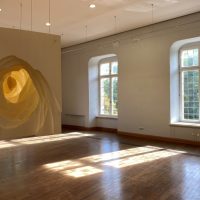
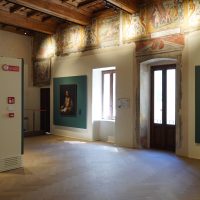
Dallalto: Rothko a Firenze, exhibition views, Palazzo Strozzi, Museo di San Marco, Biblioteca Medicea Laurenziana, Firenze, 2026. Photo Ela Bialkowska, OKNO Studio. Installation View BASELITZ. AVANTI! (2026), Courtesy Museo Novecento and the artist. Ph Elisa Norcini.
© 2026 SMALL ZINE